Buyer Tips
Buying a Home in Pensacola? Ask These 7 Insurance and Flood Questions First
August 27, 2026 · Wayne Peacock
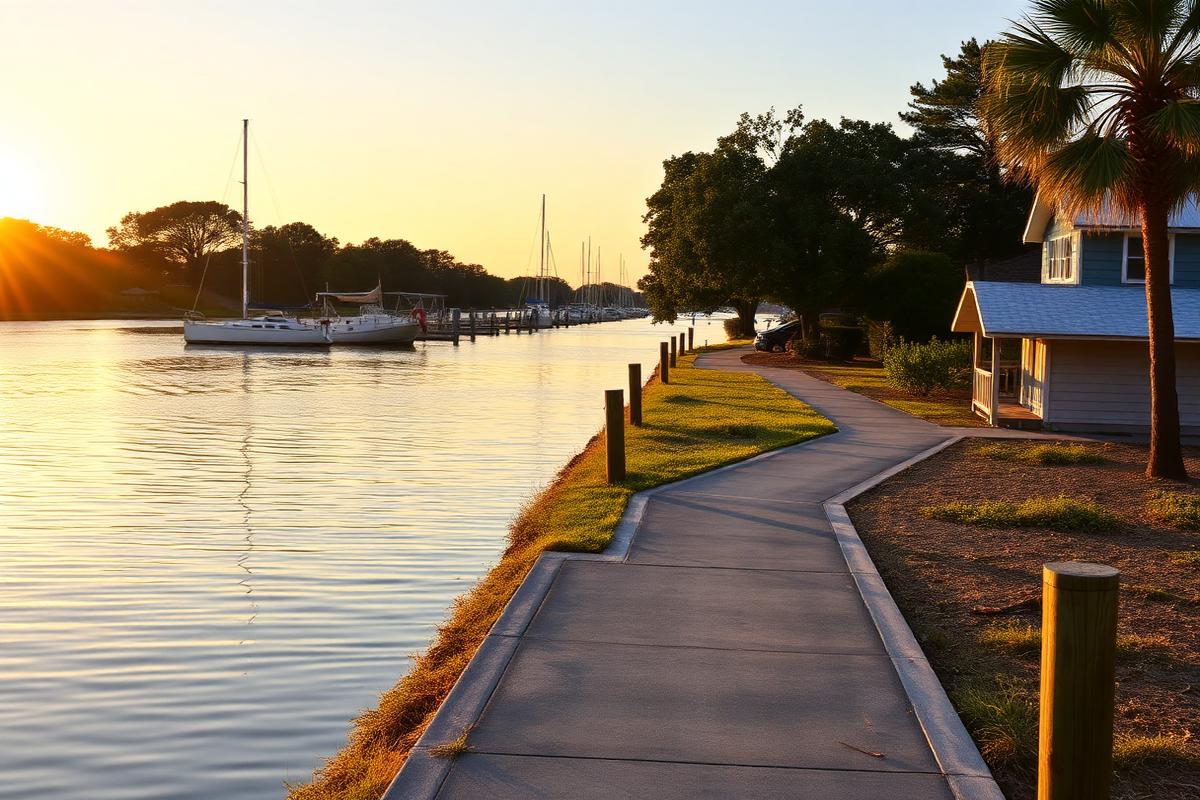
Buying a home in Pensacola comes with all the usual questions about price, condition, and location. Along the Gulf Coast, you also need to understand what the property may cost to insure and how water and wind risks affect the home.
That does not mean every Pensacola house is difficult to insure or sitting in a high-risk flood area. It means you should investigate the complete cost early, while you still have time to make a clear decision.
Here are seven questions I recommend answering before your inspection period ends.
1. What is the property's current flood zone?
Start with the exact property address. Do not rely on a listing description that simply says "not in a flood zone." Every property appears on a flood map. The real question is which flood zone applies and what that designation means for the home and your financing.
Escambia County provides an official property flood-zone lookup. The county states that its current flood maps became effective August 19, 2025. You can also search the address through the FEMA Flood Map Service Center.
A lender may require flood insurance when a mortgaged property is in a high-risk flood area. FEMA also makes an important point: a lender's requirement is not the same thing as the home's total flood risk. Properties outside high-risk zones can still experience flooding.
Ask for:
- The current flood-zone designation
- Any available elevation certificate
- Information about drainage around the lot
- Prior flood or water intrusion disclosures
- A flood-insurance quote for this specific address
The quote matters. FEMA's current Risk Rating 2.0 pricing considers more than a colored map zone, so two nearby homes may receive different premiums.
2. Is the flood zone different from the evacuation zone?
Yes. These are two separate maps used for different purposes.
A flood map helps describe flood risk and may affect insurance and lending. An evacuation zone helps local officials plan for storm surge and determine which areas should evacuate during a tropical event.
Escambia County's Know Your Zone tool lets you search an address and review its evacuation level. Check both maps before buying. A house can sit outside a lender-required flood zone and still fall within an evacuation area.
This is especially important if you work at NAS Pensacola, travel frequently, own pets, care for family members, or need extra time to relocate during a storm. Your emergency plan is part of the practical side of homeownership here.
3. Can I get an insurance quote before making an offer?
You can often request an early estimate, and I recommend speaking with an insurance professional before you become emotionally committed to a property. Once you are under contract, send the agent the exact address and every available document.
The most useful quote comes from actual property details, including:
- Roof age, material, shape, and condition
- Year built
- Electrical and plumbing systems
- Heating and cooling systems
- Wind-protection features
- Prior claims when available
- Distance from water and flood characteristics
- Intended occupancy, such as primary home, second home, or rental
Do not compare homes only by principal and interest. Compare the expected mortgage payment, taxes, homeowners insurance, flood insurance when applicable, association fees, maintenance, and reserves.
That full calculation is the Math in our Mission • Math • Move process. A lower-priced house is not automatically the lower-cost house.
4. What does the roof mean for eligibility and price?
The roof is one of the first items an insurance agent will ask about. Age matters, but condition, material, remaining useful life, installation quality, permits, and documentation can matter too.
Request available roof permits, invoices, warranties, and inspection reports. If the seller says the roof is "newer," ask for the actual replacement year. Real estate has taught me that "newer" is a wonderfully flexible word.
During the inspection period, have a qualified inspector evaluate the roof and document any visible concerns. Then send the information to your insurance professional. Do not assume that one company's underwriting rules represent the entire market.
A roof that needs repair or replacement does not always end the conversation. It may change the price, timing, negotiation, loan, insurance options, or whether the property still fits your plan.
5. Do I need a four-point inspection?
Requirements vary by insurance company and property. Citizens Property Insurance states that it requires a four-point inspection for property-owner, dwelling, and mobile-home applications when the property is more than 20 years old.
A four-point inspection focuses on four major systems:
- Roof
- Electrical
- Plumbing
- Heating and cooling
This is not the same as a full home inspection. Your general inspection looks more broadly at the condition of the property. The four-point report is designed to give an insurer information about specific systems and visible hazards.
If the home is older, ask your insurance agent whether a four-point report will be needed and which form, photographs, signatures, and inspection credentials the insurer requires. Getting the right report the first time saves everyone from a last-minute document chase.
For older homes in places such as East Hill, North Hill, Navy Point, Warrington, and other established Pensacola neighborhoods, this step deserves early attention. You can explore our Pensacola neighborhood guides while comparing locations and housing styles.
6. What is a wind-mitigation inspection?
A wind-mitigation inspection documents construction features that may reduce wind damage. Depending on the home, the inspection may review items such as roof-to-wall connections, roof-deck attachment, roof shape, opening protection, and other qualifying features.
The Florida Office of Insurance Regulation explains that insurers must offer discounts for documented wind-mitigation features that meet applicable requirements. A qualified inspector completes the state's verification form, and the insurance company determines the credit.
The inspection is not a promise that the house cannot be damaged. It gives the carrier documented information about how the home was constructed or improved.
Ask whether the seller already has a recent wind-mitigation report. If not, discuss ordering one during your inspection period. You can review the state's wind-mitigation consumer resources before hiring an inspector.
7. What should I confirm before the inspection deadline?
Before your inspection period ends, try to have the major pieces in one place:
- General home-inspection findings
- Four-point report if required
- Wind-mitigation report
- Roof documentation
- Flood-zone and evacuation-zone results
- Elevation certificate when available
- Homeowners and flood-insurance quotes
- Estimated taxes and association costs
- Repair estimates for major concerns
- Written answers to important disclosure questions
Your real estate agent, lender, inspector, and insurance professional each handle a different part of the decision. The goal is coordination. When everyone receives the correct information early, you can evaluate the property with fewer surprises.
If you are using VA financing, also review our Pensacola VA buyer guide and military relocation resources. Insurance and property-condition decisions still depend on the specific home, even when the loan offers strong benefits.
Frequently asked questions
Does an X flood zone mean a Pensacola home cannot flood?
No. An X-zone designation generally indicates lower mapped flood risk than a Special Flood Hazard Area, but it does not mean zero risk. Review the exact map, property elevation, drainage, prior history, and available insurance options.
Is flood insurance included in a standard homeowners policy?
Standard homeowners policies generally do not cover flooding. Ask a licensed insurance professional to explain the coverages, limits, deductibles, exclusions, and whether a separate flood policy is appropriate or required.
Should I wait until after the inspection to request insurance?
Start earlier. You can request preliminary guidance before an offer and provide the inspection reports as they become available. Waiting until closing week can leave too little time to solve an eligibility or cost issue.
Can a seller's insurance premium tell me what I will pay?
Not reliably. Premiums can depend on the insured party, coverage choices, deductibles, rating method, claims information, property details, mitigation documents, and current underwriting rules. Request a quote in your own name for the coverage you are considering.
Make the offer with the full picture
Buying a home in Pensacola should feel exciting, but excitement works better when the numbers are honest. Price is only one part of affordability. Insurance, flood considerations, roof condition, inspections, taxes, and future maintenance help determine whether the home truly fits.
The Peacock Group helps you coordinate those moving parts without turning the process into a hurricane of paperwork. If you are planning a Pensacola-area purchase, schedule a conversation with Wayne or call (850) 601-9096. We will build a clear Mission • Math • Move plan around your goals.
Sources and fact check
Fact-checked August 27, 2026 using current consumer information from FEMA, Escambia County, the Florida Office of Insurance Regulation, and Citizens Property Insurance Corporation. Insurance requirements and underwriting rules can change. Confirm property-specific information with the lender, insurer, inspectors, and applicable government offices before making a decision.
Have questions?
Let's talk through your goals — no pressure, just clear, local advice.
Schedule a Call