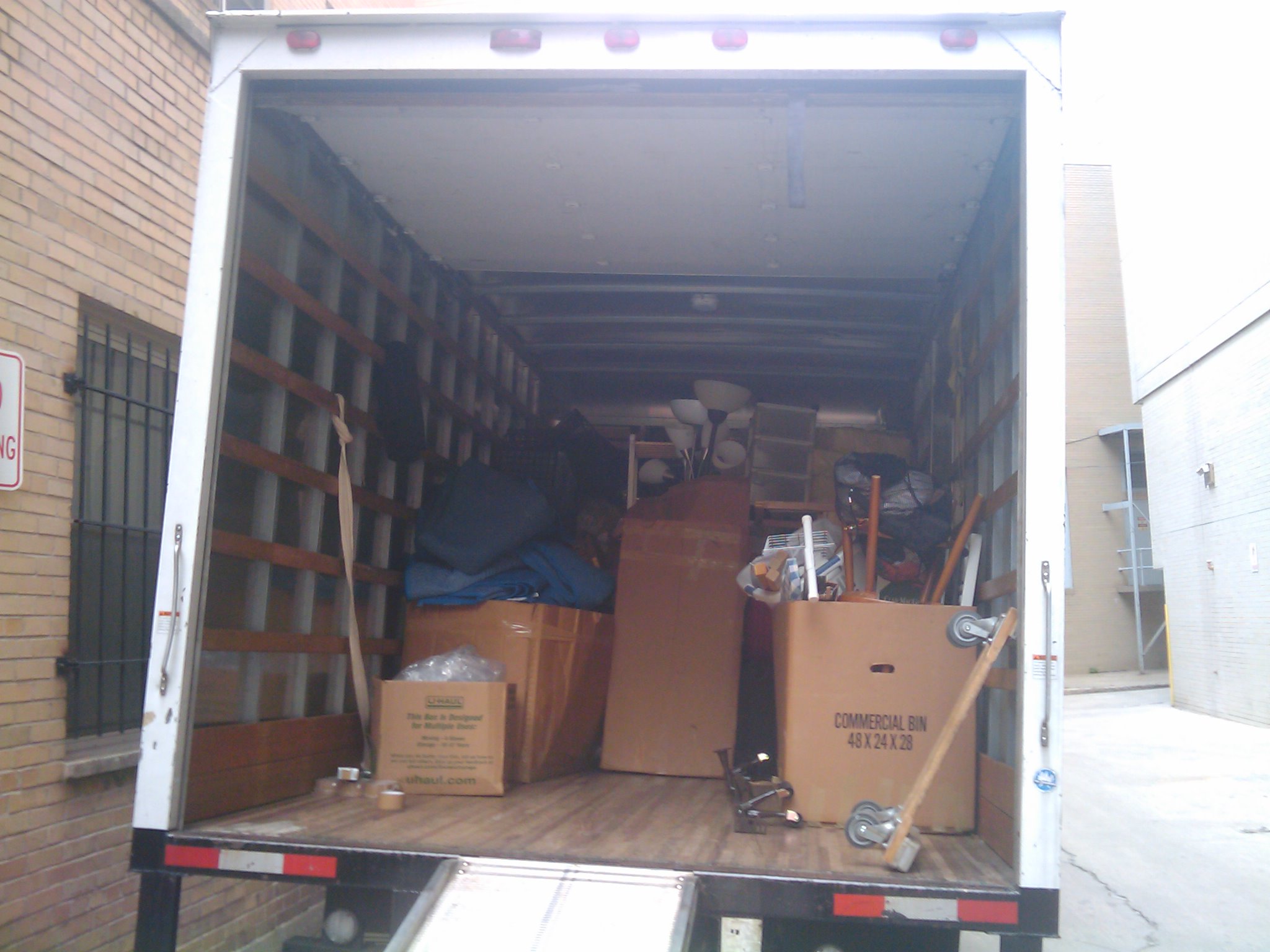
A permanent change of station rewards sequencing. Almost every task in a move depends on an earlier one: your household goods shipment depends on a date, the date depends on your orders, the lease or purchase depends on financing, and the financing depends on documents you may not have gathered yet. This checklist arranges the work into five phases so nothing important waits until the week it becomes urgent.
It is written for a move into the Pensacola area, which covers Escambia County and neighboring Santa Rosa County. It is deliberately practical: no drive-time promises, no allowance amounts, no installation access details, because those are set by your orders, your command and official sources rather than by a real estate website.
Use it as a working document. Print it, copy it into your notes app, or split it between two people so the person still on duty and the person managing the move are not duplicating effort or assuming the other one handled something.
The five-phase Pensacola PCS checklist
Each phase lists the decisions that unlock the next one. Dates are approximate. Compress or extend the phases to match the notice you actually receive.
- 1
Before orders
- Write down the household requirements that will not change: number of bedrooms, accessibility needs, pets, vehicles, work-from-home space, and whether a yard is essential.
- Agree as a household on a realistic maximum total monthly housing cost, including insurance, utilities and maintenance rather than a mortgage payment alone.
- Gather the paperwork any lender or landlord asks for: identification, pay documentation, bank statements and prior addresses.
- If you may use VA financing, confirm your eligibility and start the Certificate of Eligibility process so it is not on the critical path later.
- Start a shared folder — digital and paper — for orders, quotes, contracts, inspection reports and receipts.
- 2
90 to 60 days out
- Read your orders carefully and note your reporting location, report date and any authorized travel or temporary lodging entitlements.
- Contact your gaining command sponsor and the Navy Housing Service Center to confirm the current housing process and options.
- Schedule your household goods counseling and shipment as early as the system allows; summer dates fill first.
- Decide the housing path for this tour: government or privatized housing, a rental, or a purchase. Write the reasoning down so the decision survives a stressful week.
- If you plan to buy, get a full preapproval from a lender and ask specifically how your orders affect the file.
- Begin narrowing areas by objective criteria — property type, budget, insurance, commute route to your reporting location — and rule areas in or out yourself rather than by reputation.
- 3
60 to 30 days out
- Confirm pack-out and pickup dates in writing, and photograph high-value items before they are packed.
- Line up temporary lodging for a realistic gap, not the best case.
- Tour properties in person or by live video with an agent who will show the street, drainage, roofline and utility spaces, not only the finished rooms.
- Run flood, wind and insurance research on any address you are serious about, and obtain written quotes during the inspection period.
- Verify school attendance zones for the exact address with the county school district, not from a listing.
- Give notice at your current residence and schedule utility disconnection and connection dates.
- Update medical, dental, veterinary and prescription records, and request copies you can carry with you.
- 4
Arrival week
- Complete check-in with your command first; everything else can be rescheduled around it.
- Do a walk-through of the new home before the truck arrives and photograph the condition of every room.
- Confirm power, water, internet and trash service are active and note the meter readings.
- Inventory the household goods delivery against your list and document any damage immediately, in writing.
- Register vehicles and update your address for pay, insurance, banking and voter registration.
- Locate the nearest urgent care, pharmacy, grocery and fuel, and drive your reporting route once at the hour you will actually travel it.
- 5
Settling in
- File any household goods claims inside the filing window rather than waiting until the unpacking is finished.
- Review the first insurance and utility bills against the estimates you used for budgeting and adjust the household plan.
- Set up a hurricane-season plan: know your evacuation zone, assemble supplies and document your belongings.
- Meet neighbors, confirm trash and yard schedules, and learn the parts of a Gulf Coast property that need seasonal maintenance.
- If you rented this tour, note what you would change in the next search while it is fresh — that list is the most useful thing you own for the next move.
Sequence the housing decision before the search
The most expensive PCS mistakes are usually timing mistakes, not price mistakes. Families who start touring properties before deciding whether this is a renting tour or a buying tour tend to fall for a house that does not fit the plan, then rearrange the plan around it. Make the structural decision first: how long you expect to be here, how much risk you want to carry on resale, whether two incomes will continue, and how much repair work you are willing to own.
Once that decision is made, the search becomes a filtering exercise instead of an emotional one. Both paths are legitimate. A short tour with an uncertain follow-on can favor renting; a longer assignment with stable income and a reasonable entry point can favor buying. Write the reason down and revisit it only if a fact changes, not because a listing is attractive.
Keep the government housing option genuinely open until you have spoken with the housing office. Availability and wait lists change, and a conversation early in the timeline costs nothing while a missed one can cost a lease.
Documents do more work than any single decision
Almost every delay in a military move traces back to a missing document. Lenders need income and asset documentation, landlords need identification and references, insurers need details about the roof and prior claims, and the household goods process needs your orders. Collecting all of it once, into one folder, removes an entire category of last-minute problems.
Scan everything and keep the originals with you rather than in the shipment. That includes orders and amendments, birth and marriage certificates, vehicle titles, medical and school records, pet vaccination records, and the inventory of what the movers took. If two people share the workload, give both of them access to the same folder.
Keep a simple log of who you spoke with, when, and what was agreed. In a process involving a command, a moving company, a lender, an insurer, a title company and a landlord or seller, the log is what resolves a disagreement six weeks later.
Local research that pays off on the Gulf Coast
Two pieces of Pensacola-area research deserve time before you commit to an address: hazard exposure and the route you will actually drive. Flood zones vary parcel by parcel, so look up the specific address on FEMA's Flood Map Service Center and the relevant county floodplain tools, then talk to an insurance professional about what the result means for cost and coverage. Wind mitigation features, roof age and prior claims all affect insurability.
For the route, map the property to your precise reporting location and drive or simulate the trip at the hour you will travel. Bridges, weather, road work and traffic patterns all matter here, which is exactly why this guide does not publish a number of minutes for any community.
Finally, look at ordinary logistics: grocery and pharmacy access, childcare, medical care, and how a second driver in the household would get to work. A property that works for one person's commute and fails for everything else rarely feels like a good decision by month three.
What we handle for families on this timeline
The Peacock Group is led by an Air Force veteran, and the team's relocation process is built around compressed timelines and remote decisions: organizing options against your written criteria, running live video tours, coordinating inspections and quotes inside contract deadlines, and keeping a lender, insurer and title company aligned with your report date. We do not rate schools, characterize communities by who lives there, or steer clients toward or away from an area.
Keep planning
Military relocation hub
The starting point for a Pensacola PCS, including the three area installations.
Read more →Buying a home during a PCS
Remote tours, inspections, financing and closing logistics when you cannot be here.
Read more →Official planning sources
- Military OneSource — moving and PCS resources
- Navy Housing — NAS Pensacola
- FEMA Flood Map Service Center
- Ready.gov — flood preparedness
- Escambia County Public Schools address lookup
Program rules, benefit amounts, housing availability and hazard information change. Confirm current details through these official sources and the professionals reviewing your file.
Talk through your timeline
Share your reporting location, report date and housing priorities. A Peacock Group agent will help you build the plan around them.
Local Expertise
Ask us about PCS Checklist for a Move to Pensacola
Send a quick note and a Peacock Group agent will follow up with current listings, pricing, and what's coming to market in PCS Checklist for a Move to Pensacola.